

15 Jun 7 Mistakes You're Making with Brand Sponsorship (and How TV Ownership Fixes Them)
Brand sponsorship has become a crowded battlefield where companies pour millions into partnerships that often fail to deliver meaningful returns. While traditional sponsorship models continue to disappoint, a growing number of forward-thinking brands are discovering a more effective approach: owning television content outright.
The shift from sponsoring someone else's content to owning your own represents a fundamental change in how brands can control their messaging, audience engagement, and return on investment. Let us examine the seven most common sponsorship mistakes and explore how television ownership provides superior solutions.
Mistake 1: Unclear Objectives and Misaligned Goals
Many brands enter sponsorship agreements without establishing specific, measurable objectives. Research consistently shows that companies often fail to determine their business goals upfront, leaving marketing teams unable to demonstrate return on investment. When objectives remain undefined or misaligned with target audiences, sponsorship investments become directionless spending rather than strategic marketing initiatives.
How TV Ownership Fixes This:
When you own television content, every aspect of the show serves your specific business objectives. Rather than hoping a third-party property aligns with your goals, you design the content around your brand's needs from conception. You maintain complete control over messaging, audience targeting, and performance metrics. This alignment ensures that every episode, every storyline, and every interaction directly supports your predetermined business outcomes.

Mistake 2: Over-Investment in Acquisition, Under-Investment in Activation
A critical error occurs when brands exhaust their entire sponsorship budget on acquiring assets, leaving insufficient funds for activation programs. Companies frequently allocate resources to secure naming rights or logo placement while neglecting the promotional activities that actually generate returns. Without proper activation, sponsorships become expensive vanity projects rather than revenue-driving initiatives.
How TV Ownership Fixes This:
Television ownership eliminates the need to purchase expensive sponsorship rights from external parties. Instead of paying premium prices for limited access to someone else's audience, you invest directly in content creation and distribution. This approach allows you to allocate more resources toward audience development, engagement strategies, and performance optimization. Every dollar spent contributes to building your own media asset rather than enriching a third-party content creator.
Mistake 3: Limited Control Over Brand Representation
Traditional sponsorships often restrict brands to passive logo placement and basic naming rights. Companies find themselves with minimal influence over how their brand appears within the content or how audiences perceive their involvement. This lack of control can lead to misrepresentation, diluted messaging, or association with content that does not reflect brand values.
How TV Ownership Fixes This:
Content ownership provides complete creative control over brand representation. You determine storylines, character development, production values, and audience interaction points. Your brand becomes integral to the content rather than an external addition. This organic integration creates more authentic connections with viewers while ensuring consistent brand messaging throughout every aspect of the production.

Mistake 4: Dependence on Short-Term Metrics
Many sponsorship programs focus exclusively on short-term impressions and awareness metrics rather than building lasting audience relationships. This approach treats sponsorship as a one-time advertising buy rather than a long-term investment in audience development. Companies often measure success through reach and frequency while ignoring engagement quality and conversion potential.
How TV Ownership Fixes This:
Television ownership enables long-term audience cultivation through serialized content and ongoing engagement. Rather than competing for momentary attention within someone else's content, you build dedicated viewership that returns episode after episode. This approach creates cumulative value that compounds over time, transforming casual viewers into committed brand advocates. The relationship between your brand and audience deepens with each episode, creating sustainable competitive advantages.
Mistake 5: Lack of Audience Data and Insights
Sponsorship partnerships typically provide limited access to audience data and behavioral insights. Brands often rely on general demographic information provided by content creators rather than obtaining detailed analytics about viewer preferences, engagement patterns, and conversion behaviors. This data limitation hampers optimization efforts and strategic decision-making.
How TV Ownership Fixes This:
Content ownership grants complete access to audience analytics, viewing patterns, and engagement metrics. You can track which storylines resonate most strongly, identify optimal content lengths, and understand viewer preferences at a granular level. This comprehensive data enables continuous content optimization and more effective audience targeting. The insights gained from owned content inform broader marketing strategies and product development decisions.
Mistake 6: Inability to Scale and Diversify Content
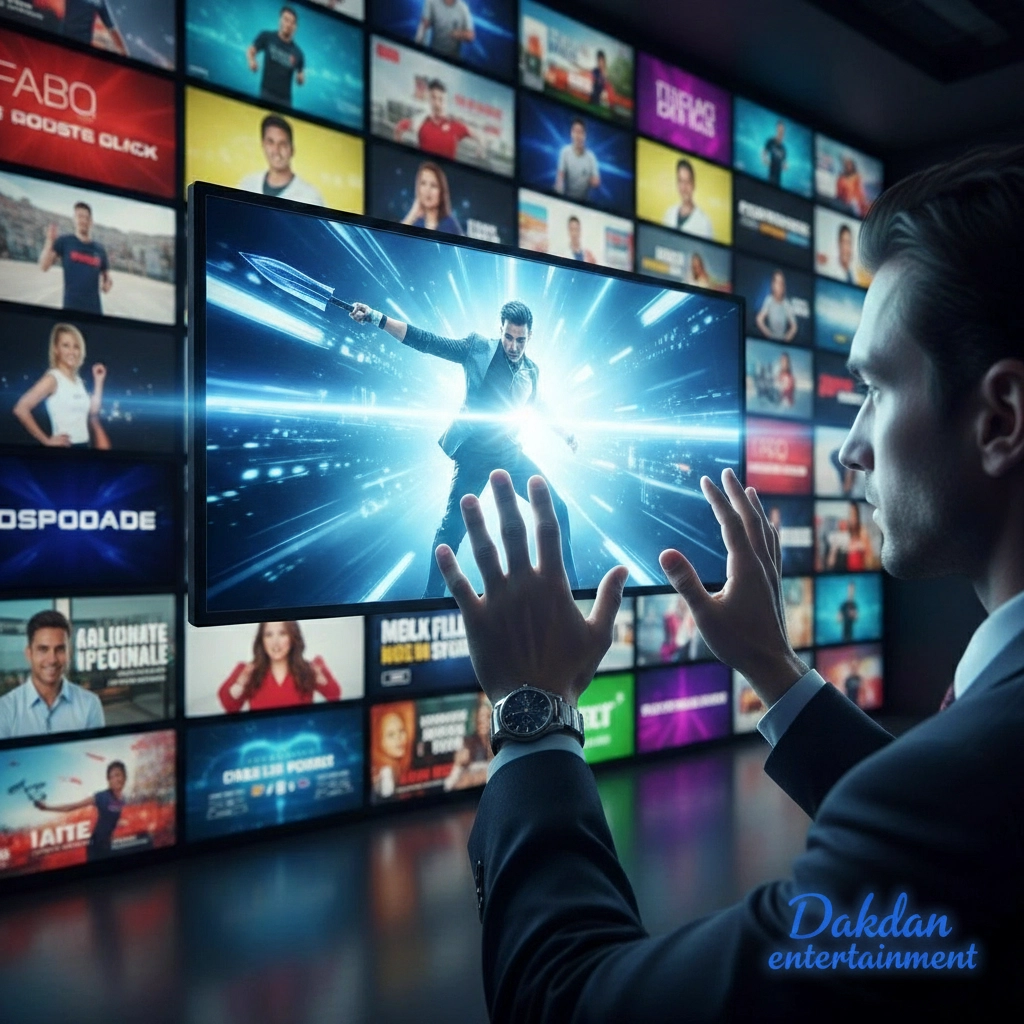
Traditional sponsorship models limit brands to the content schedule and format decisions made by external creators. Companies cannot easily scale successful partnerships or diversify into complementary content areas. This constraint prevents brands from capitalizing on successful campaigns or adapting quickly to changing market conditions.
How TV Ownership Fixes This:
Television ownership provides unlimited scalability and format flexibility. Successful shows can spawn spin-offs, complementary series, or expanded storylines. You can experiment with different content formats, episode lengths, and release schedules based on audience feedback and performance data. This agility allows rapid response to market opportunities and continuous innovation in content delivery.
Mistake 7: Contractual Limitations and External Dependencies
Sponsorship agreements often include restrictive clauses that limit brand messaging, competitive exclusions, or termination conditions. Brands become dependent on external content creators for campaign success while having minimal recourse when partnerships underperform. Contract negotiations can be lengthy and expensive, with outcomes that may not favor the sponsoring brand.
How TV Ownership Fixes This:
Content ownership eliminates external dependencies and contractual limitations imposed by third parties. You maintain complete control over content direction, distribution timing, and promotional activities. Rather than negotiating with external parties, you make strategic decisions based solely on business needs and audience preferences. This independence accelerates decision-making and reduces operational complexity.
The Strategic Advantage of Content Ownership
Television ownership represents a fundamental shift from renting audience attention to building owned media assets. Companies like Dakdan Entertainment demonstrate how brands can create engaging content that serves business objectives while providing genuine entertainment value to audiences.
Consider the success of branded television content across various industries. Rather than hoping for favorable treatment within someone else's content, brands that own their shows maintain complete narrative control. They can integrate products naturally, develop characters that embody brand values, and create storylines that educate audiences about their solutions.
The Girls With Tattoos series exemplifies this approach, where content ownership enables authentic storytelling that resonates with target audiences while supporting broader business objectives. This model creates sustainable competitive advantages that traditional sponsorship cannot match.
Making the Transition
The transition from sponsorship to content ownership requires strategic planning and resource allocation. However, the long-term benefits far exceed the initial investment. Companies gain permanent media assets, complete creative control, and direct audience relationships that compound in value over time.
Rather than continuing to make expensive sponsorship mistakes, forward-thinking brands are investing in owned content that serves their specific objectives. This approach transforms marketing from a cost center into a revenue-generating asset that strengthens brand positioning while building lasting audience connections.
The choice between traditional sponsorship and content ownership represents a decision between renting temporary access and building permanent assets. Companies that embrace television ownership position themselves for sustainable growth in an increasingly competitive media landscape.
For brands ready to move beyond the limitations of traditional sponsorship, content ownership offers a path toward greater control, better returns, and more meaningful audience engagement. The question is not whether this transition will occur, but how quickly your company can adapt to this new paradigm.
Sorry, the comment form is closed at this time.