

18 Feb 7 Mistakes You're Making with Video Marketing (And How Brand-Owned TV Shows Fix Them)
Video marketing has become essential for brands, but many fall into predictable traps that sabotage their efforts. While traditional video content often struggles with engagement and retention, brand-owned TV shows offer a sophisticated solution that addresses these fundamental issues. Here are seven critical mistakes you may be making and how serialized, show-format content can transform your video marketing strategy.
Mistake #1: Creating Boring Beginnings That Lose Viewers Instantly
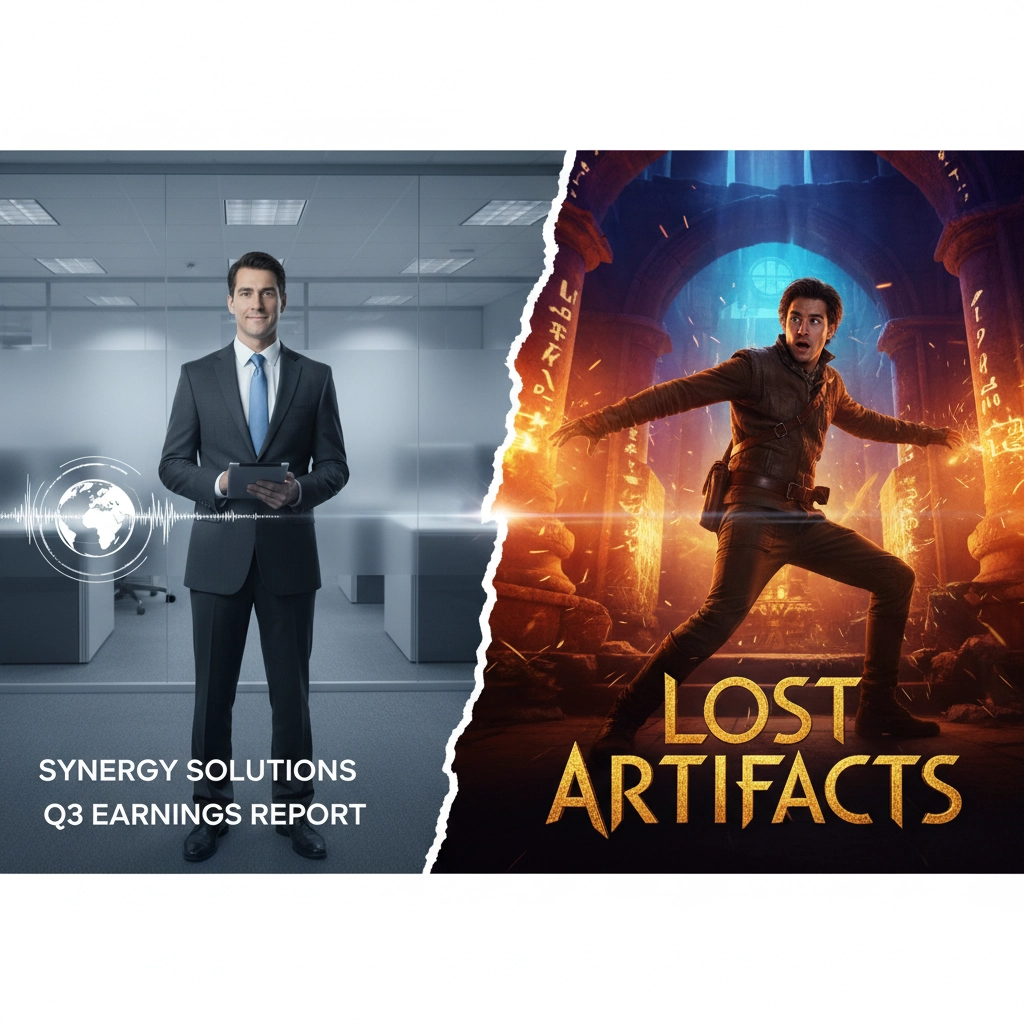
Most marketing videos open with generic brand logos, lengthy introductions, or corporate messaging that immediately signals to viewers they are about to be sold to. This creates an instant barrier to engagement, causing viewers to click away within the first few seconds.
Research shows that you have approximately 3-8 seconds to capture a viewer's attention before they decide whether to continue watching. When you lead with branding elements or promotional content, you waste this crucial window.
How Brand-Owned TV Shows Fix This: Television shows have mastered the art of the cold open and hook. A brand-owned series can start each episode with compelling action, intriguing questions, or dramatic moments that immediately pull viewers in. Instead of leading with your logo, you begin with storytelling that creates genuine curiosity and emotional investment.
For example, rather than opening with "Welcome to ABC Company's Marketing Tips," you might start with "Sarah's business was failing. She had tried everything, but nothing worked. Then she discovered something that changed everything." This approach immediately creates intrigue and investment in the outcome.
Mistake #2: Making Everything About Your Brand Instead of Your Audience
The most damaging mistake brands make is creating content that focuses primarily on themselves rather than providing genuine value to viewers. When you talk too much about your brand and products, you lose your audience's attention and potential leads.
This approach fails because modern consumers are sophisticated. They recognize promotional content immediately and have developed an instinctive resistance to obvious selling attempts. Instead of building trust, this approach often creates skepticism.
How Brand-Owned TV Shows Fix This: Successful brand shows put the audience's interests first, with the brand naturally woven into the narrative. The show format allows you to create content that targets each stage of the buyer's journey while maintaining entertainment value. Rather than pushing products, you build relationships through consistent, valuable storytelling that positions your brand as a trusted resource.
Consider how cooking shows subtly feature kitchen equipment or how home improvement shows showcase tools and materials without explicit sales pitches. The products become part of the story rather than the focus of it.
Mistake #3: Having No Clear Content Strategy or Plan
Many brands approach video marketing haphazardly, creating one-off content without a cohesive strategy. This leads to inconsistent messaging, wasted resources, and missed opportunities to build sustained audience engagement.
Without a strategic framework, brands often create content that contradicts previous messages, targets the wrong audience segments, or fails to build upon previous successes. This scattered approach dilutes brand identity and confuses potential customers.
How Brand-Owned TV Shows Fix This: A TV show format inherently requires strategic planning with season arcs, episode themes, and character development. This structure forces you to think long-term about your content strategy, ensuring each piece builds upon the previous one to create a comprehensive narrative that deepens audience connection over time.
The episodic nature provides a content calendar framework, helping you plan topics, themes, and messaging that align with business objectives and seasonal considerations. You develop story arcs that can span multiple episodes, creating anticipation and repeat engagement.

Mistake #4: Ignoring Audience Expectations and Platform Preferences
Brands often create content without truly understanding what their audience wants to see, resulting in tone mismatches, overly promotional messaging, and disregard for platform-specific preferences. This disconnect between message and audience expectations leads to poor engagement and wasted marketing spend.
Different platforms have different cultures and expectations. Content that works on LinkedIn may fall flat on TikTok, and vice versa. Similarly, audiences in different industries or demographics have varying preferences for tone, length, and style.
How Brand-Owned TV Shows Fix This: Show formats require deep audience research and persona development to succeed. The episodic nature allows you to test different approaches, gather feedback, and refine your content based on audience response. You can develop characters and storylines that resonate with your target demographic while maintaining the production quality that audiences expect from professional entertainment.
The feedback loop inherent in serialized content helps you understand what resonates with your audience. Viewer comments, engagement metrics, and retention rates provide continuous insight into audience preferences, allowing for real-time optimization.
Mistake #5: Missing Clear Calls-to-Action
A common and damaging mistake is creating engaging video content but failing to provide clear direction for what viewers should do next. Without a strong call-to-action, you convert attention into nothing rather than actionable results.
Many brands either omit calls-to-action entirely or include weak, generic requests like "visit our website" without providing compelling reasons or clear next steps. This represents a fundamental waste of the engagement you have worked to create.
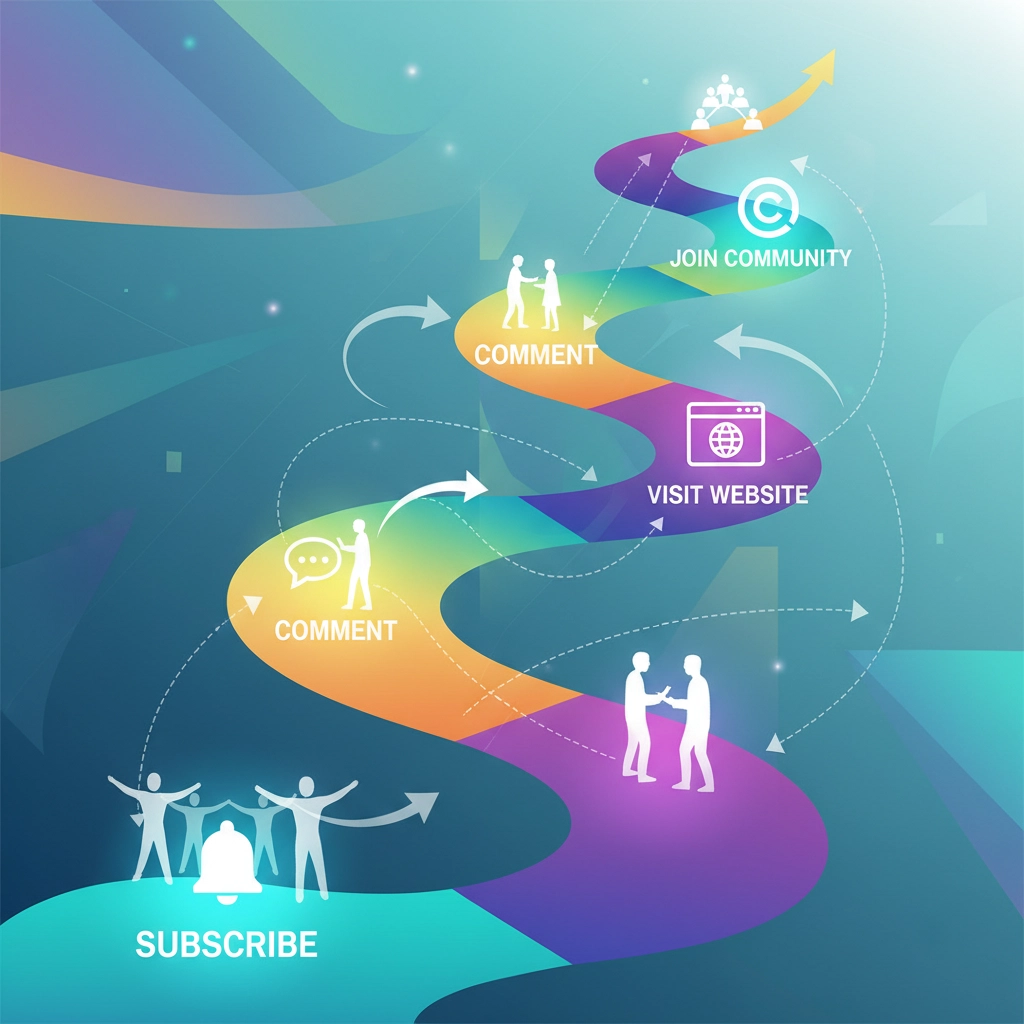
How Brand-Owned TV Shows Fix This: Television shows naturally create anticipation for the next episode, which serves as an inherent call-to-action. This format allows you to integrate multiple touchpoints throughout the season, from subscribing for new episodes to engaging with related content, visiting your website, or participating in community discussions around the show.
The episodic format provides natural break points for calls-to-action that feel organic rather than forced. You can end episodes with cliffhangers that encourage subscription, tease upcoming content that drives repeat viewership, or reference additional resources that provide value beyond the show itself.
Mistake #6: Failing to Measure Performance and Iterate
Many brands treat video marketing as a "set it and forget it" strategy, never analyzing what works or refining their approach based on data. Without tracking analytics and iterating based on performance, you miss opportunities to improve engagement and conversion rates.
This approach treats video content as a cost center rather than an investment that should generate measurable returns. Without performance measurement, you cannot identify successful elements to replicate or problematic aspects to address.
How Brand-Owned TV Shows Fix This: The episodic format provides multiple data points for analysis and optimization. You can track viewer retention across episodes, engagement with different storylines, and audience growth over time. This allows for continuous refinement of content, characters, and messaging based on what resonates most with your audience.
Serial content creates a feedback loop that traditional one-off videos cannot provide. You can see which episodes drive the most engagement, which topics generate the most discussion, and which formats keep viewers watching longest. This data informs future episode planning and overall show direction.
Mistake #7: Creating Content That Isolates Rather Than Includes Your Audience
Brands often create content that inadvertently alienates portions of their audience through divisive topics, exclusive messaging, or content that makes viewers feel uncomfortable or excluded. This reduces your potential reach and can damage brand perception.
Exclusive or alienating content might perform well with a narrow segment but often comes at the cost of broader appeal. In today's interconnected market, content that excludes or offends can spread quickly and create lasting damage to brand reputation.
How Brand-Owned TV Shows Fix This: Well-crafted brand shows create inclusive narratives that bring diverse audiences together around shared interests, challenges, or entertainment. The show format allows you to build a community of viewers who feel connected not just to your brand, but to each other, creating a more powerful and sustainable marketing ecosystem.
The episodic format provides opportunities to address different perspectives and include various viewpoints naturally within the storyline. Rather than taking controversial stances, you can explore complex topics through character interactions and storylines that acknowledge multiple perspectives.
The Strategic Advantage of Brand-Owned TV Shows
Brand-owned television shows represent a fundamental shift from interruption-based marketing to invitation-based entertainment. Instead of competing for attention in crowded social media feeds, you create destination content that audiences actively seek out and anticipate.
This approach builds deeper brand loyalty, extends customer lifetime value, and creates marketing assets that continue generating results long after initial publication. The television format also provides superior storytelling opportunities, allowing brands to develop complex narratives that showcase their values, expertise, and personality in ways that traditional marketing content simply cannot match.
Perhaps you can explore how a brand-owned show format might address the specific video marketing challenges your organization currently faces. The episodic structure offers a proven framework for sustained audience engagement while avoiding the common pitfalls that undermine traditional video marketing efforts.
Sorry, the comment form is closed at this time.