
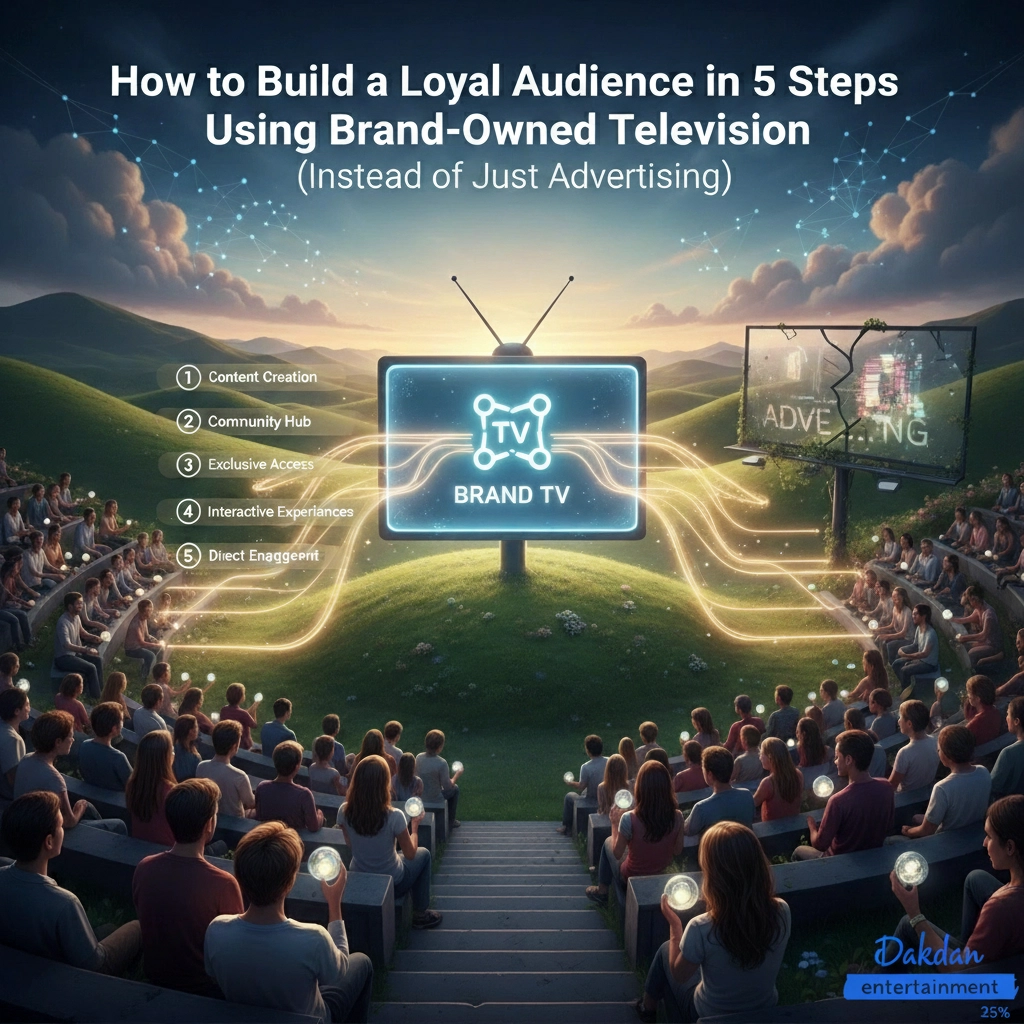
30 Sep How to Build a Loyal Audience in 5 Steps Using Brand-Owned Television (Instead of Just Advertising)
The landscape of audience engagement has fundamentally shifted. Traditional advertising methods that interrupt content are losing effectiveness as viewers increasingly seek authentic, valuable experiences. Brand-owned television represents a strategic evolution from paid advertising to creating original content that audiences actively choose to consume.
This approach transforms brands from advertisers into content creators, fostering genuine relationships with viewers who engage with your material because they find it worthwhile, not because they are forced to watch it during commercial breaks.
Step 1: Develop Value-Driven Content Strategy
The foundation of successful brand-owned television lies in creating content that serves your audience's genuine interests and needs. Rather than focusing primarily on product promotion, develop programming that provides education, entertainment, or inspiration related to your industry expertise.
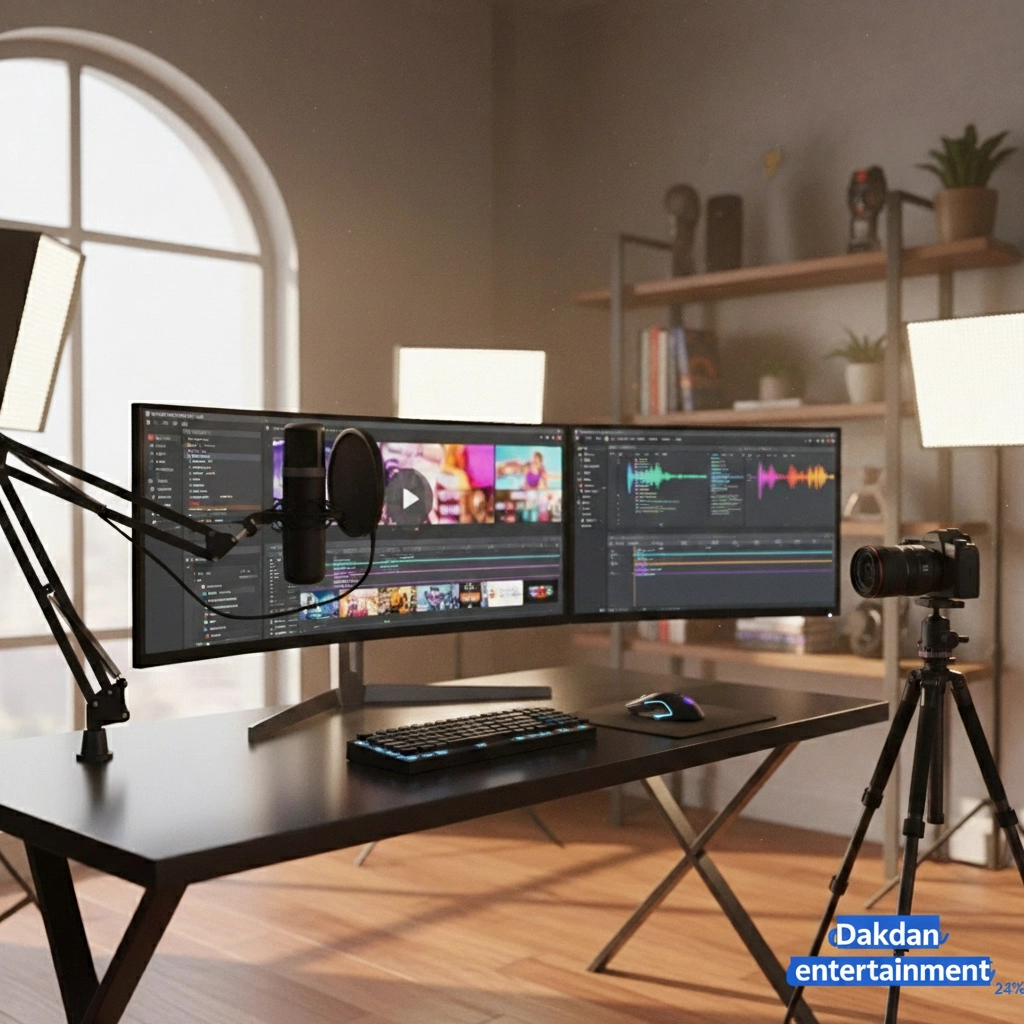
Consider your unique position and knowledge base. If you operate in podcast production, you might create behind-the-scenes content showing the technical aspects of audio creation, interviews with industry professionals, or educational series about storytelling techniques. The key principle is offering information or entertainment that viewers cannot easily find elsewhere.
Begin by analyzing your existing audience data to understand their preferences, challenges, and interests. Survey your current customers or social media followers to identify topics they would find valuable. This research forms the basis for content themes that will genuinely resonate with your target demographic.
Structure your content to encourage direct engagement with your brand. Include calls-to-action that invite viewers to subscribe to your channel, join your mailing list, or access exclusive content on your website. This approach gradually builds a database of engaged prospects who have voluntarily shared their contact information in exchange for valuable content.
Step 2: Establish Direct Distribution Channels
Connected television and over-the-top streaming platforms provide unprecedented opportunities for brands to distribute content directly to audiences without relying on traditional advertising placements. These platforms allow you to reach viewers on smart TVs, streaming devices, and mobile applications with your own branded programming.
Create dedicated channels or series that live on streaming platforms, your company website, or specialized applications. This positions your brand as a content provider rather than merely an advertiser, fundamentally changing how audiences perceive and interact with your company.
Consider developing multiple content formats to serve different viewing preferences. Some audiences prefer longer-form documentary-style content, while others engage more with shorter, episodic programming. Test various formats to determine what resonates most effectively with your specific audience.
Establish consistent publishing schedules that audiences can rely upon. Regular content releases create anticipation and habit formation among viewers, encouraging them to return to your channel or platform repeatedly. This consistency builds trust and reliability, essential components of audience loyalty.
Step 3: Create Cross-Platform Content Ecosystems
Successful brand-owned television extends beyond a single platform or content type. Develop interconnected content systems that guide audiences through multiple touchpoints with your brand. This might include hosting primary video content on your website while creating companion podcasts, social media content, and written articles that complement and expand upon your television programming.
Cross-platform strategies serve multiple purposes. They accommodate different content consumption preferences among your audience members while providing multiple opportunities for engagement and data collection. Some viewers may prefer audio content during commutes, while others engage with written summaries or social media discussions about your video programming.
Implement tracking systems that allow you to understand how audiences move between different content formats and platforms. This data reveals which content types are most effective for attracting new viewers, which formats best retain audience attention, and where viewers typically engage most deeply with your brand.

Ensure that each platform serves a specific purpose within your overall content strategy. Your main website might host comprehensive video series, while social media platforms offer shorter clips and behind-the-scenes content that drive traffic back to your primary programming. This approach maximizes the value of each piece of content you create.
Step 4: Integrate Data Analytics with Content Creation
The combination of compelling content and comprehensive audience data creates the most effective brand-owned television strategy. While great storytelling attracts and engages viewers, detailed analytics reveal who these viewers are, what content they prefer, and how they interact with your programming over time.
Implement robust analytics systems that track viewer behavior across all your content platforms. Monitor metrics such as watch-time completion rates, subscriber growth patterns, engagement with different content topics, and demographic information about your most active viewers. This data informs future content decisions and helps refine your programming strategy.
Use first-party data collected from your video platforms to create detailed audience profiles. Understanding viewing patterns, content preferences, and demographic characteristics enables you to develop more targeted and relevant programming that addresses your audience's specific interests and needs.
Regular analysis of this data should influence both content creation and distribution strategies. If certain topics or formats consistently generate higher engagement, adjust your content calendar to include more of these elements. If particular distribution channels show stronger performance, allocate more resources to those platforms.
Step 5: Measure Success Through Community Building
Brand-owned television success requires different metrics than traditional advertising campaigns. Focus on engagement indicators such as repeat viewership, community participation, subscriber retention rates, and the quality of audience interactions rather than simple reach or impression numbers.
Develop interactive elements that transform passive viewers into active community members. This might include live streaming sessions with question-and-answer segments, viewer-submitted content opportunities, or exclusive access to special programming for dedicated followers. These features create emotional investment in your brand beyond typical product or service relationships.

Track long-term engagement patterns to identify your most valuable audience segments. Viewers who consistently return to your content, share it with others, and participate in community discussions represent your highest-value prospects. Understanding the characteristics and preferences of these engaged viewers helps you create content that attracts similar audience members.
Consider implementing feedback mechanisms that allow viewers to influence future content direction. Surveys, comment sections, and direct communication channels provide insights into what your audience wants to see more of and help ensure your programming remains relevant and valuable over time.
Foster genuine relationships with your most engaged viewers. Respond to comments, acknowledge regular participants, and create content that addresses questions or suggestions from your audience. This personal touch differentiates brand-owned television from impersonal advertising and builds lasting loyalty.
The Long-Term Advantage
Brand-owned television requires more initial investment and patience than traditional advertising approaches, but it creates sustainable competitive advantages that paid media cannot match. Once established, loyal audiences actively seek out your content, recommend it to others, and develop genuine connections with your brand that extend beyond immediate purchasing decisions.
This approach builds owned media assets that appreciate in value over time. Unlike advertising campaigns that stop generating results when funding ends, quality content continues attracting and engaging audiences long after its initial creation. Successful brand-owned television programming becomes a permanent part of your marketing infrastructure, providing ongoing value without recurring media costs.
The strategy also insulates your brand from changes in advertising costs, platform algorithms, or competitive pressures that affect paid media campaigns. When you own the relationship with your audience through valuable content, you maintain control over your marketing effectiveness regardless of external market conditions.
Sorry, the comment form is closed at this time.