

18 Jan The CEO's Guide to Television Ownership: Turn Your Brand Into an Entertainment Powerhouse
The traditional boundaries between business and entertainment have dissolved. Forward-thinking CEOs are discovering that owning television content presents unprecedented opportunities for brand building, audience engagement, and revenue generation. This strategic shift from purchasing advertising space to creating owned media represents one of the most significant competitive advantages available in today's marketplace.
The Strategic Shift from Sponsorship to Ownership
Traditional marketing approaches rely heavily on renting audience attention through advertising placements. This model creates dependency on external platforms and offers limited control over messaging and audience experience. Television ownership provides a fundamentally different approach: transforming your brand into a content destination where audiences actively choose to spend time.
The benefits extend beyond simple cost considerations. Owned television content creates authentic connections with audiences, establishes thought leadership, and generates multiple revenue streams. Companies that successfully implement this strategy often discover that their content becomes more valuable than their original products or services.
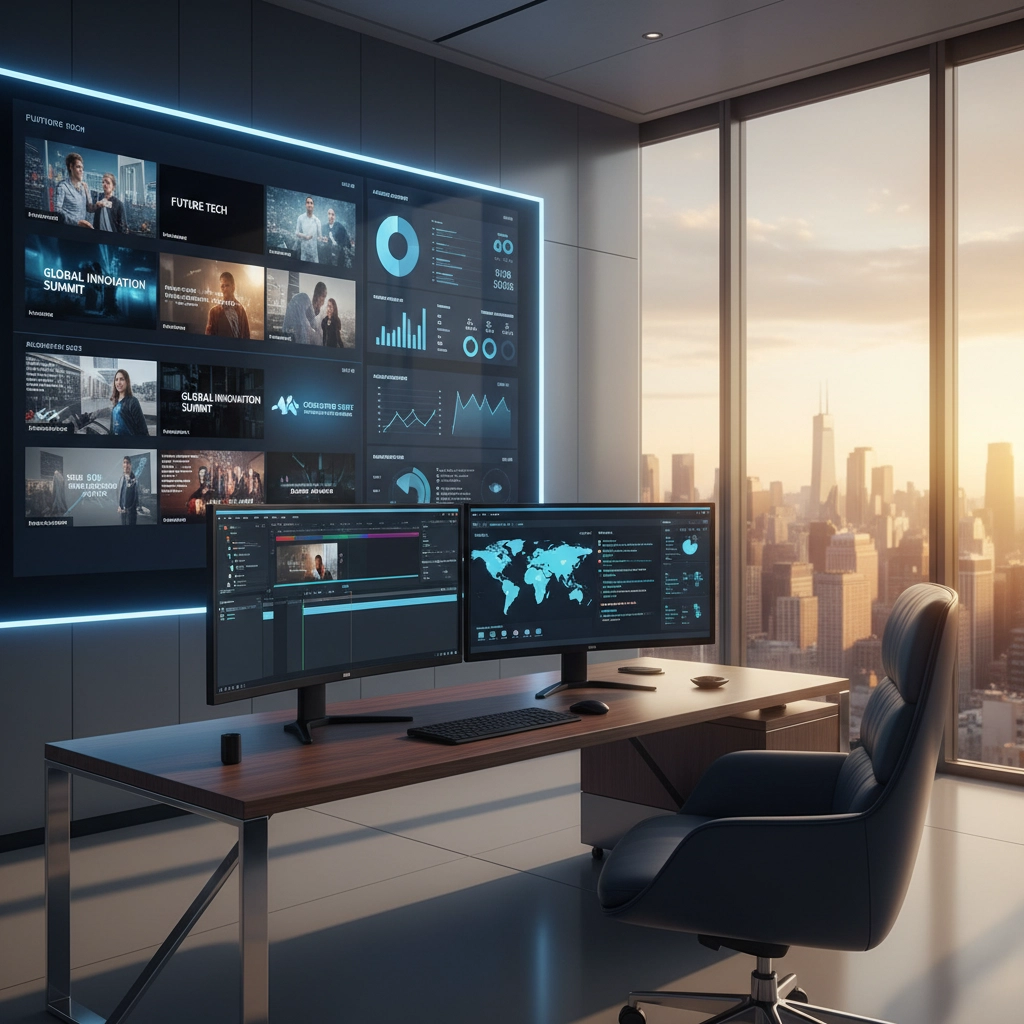
Understanding Modern Television Landscape
The television industry has evolved dramatically, creating accessible entry points for businesses of all sizes. Digital distribution platforms have eliminated traditional barriers to entry, such as broadcast licensing requirements and massive production budgets. Modern television ownership can begin with modest investments and scale based on audience response and business outcomes.
Successful implementation requires understanding that television ownership operates on different principles than traditional advertising. The focus shifts from interrupting audiences to creating value through entertainment, education, or inspiration. This approach builds genuine audience loyalty rather than temporary attention.
Content Strategy Development
Identifying Your Unique Position
Every brand possesses unique expertise, perspectives, and stories that can translate into compelling television content. The key lies in identifying these distinctive elements and developing programming concepts that naturally showcase your brand's value proposition without appearing overtly promotional.
Consider your industry knowledge, company culture, leadership insights, and customer success stories as potential content foundations. The most effective brand-owned television leverages authentic expertise to create programming that audiences would consume regardless of commercial intent.
Format Selection and Testing
Television ownership encompasses various content formats, each serving different audience preferences and business objectives. Documentary-style programming establishes thought leadership and industry expertise. Series formats build ongoing audience relationships through episodic engagement. Live programming creates immediacy and community around your brand.
The recommended approach involves testing multiple formats simultaneously with minimal initial investment. Monitor audience engagement metrics to identify which content types resonate most effectively with your target demographics. Scale successful formats while discontinuing underperforming content.

Production and Distribution Framework
Cost-Effective Production Methods
Modern television production can operate within reasonable budgets through strategic resource allocation and technology utilization. Professional-quality content no longer requires expensive studio facilities or large production teams. Many successful brand-owned television programs operate with small, dedicated teams using contemporary production tools.
Focus initial efforts on content quality rather than production complexity. Audiences prioritize valuable, authentic content over elaborate production values. As your programming demonstrates audience engagement and business impact, increased production investment becomes justified.
Distribution Strategy Implementation
Effective television ownership requires comprehensive distribution strategies that maximize audience reach without extensive infrastructure investment. Digital platforms provide immediate access to global audiences through social media channels, company websites, and streaming platforms.
Develop distribution schedules that maintain consistent audience engagement while allowing flexibility for content optimization based on performance metrics. Cross-platform distribution ensures maximum visibility while reducing dependency on any single platform or algorithm changes.
Building Your Content Ecosystem
Audience Development and Retention
Television ownership success depends on building sustainable audience relationships rather than pursuing viral content or immediate conversions. Focus on creating programming that provides consistent value to specific audience segments. This approach builds loyal viewership that translates into business opportunities over time.
Implement audience feedback mechanisms to understand viewer preferences and content performance. Use this information to refine programming decisions and develop content that increasingly aligns with audience interests while supporting business objectives.

Integration with Business Operations
The most successful brand-owned television programs integrate seamlessly with existing business operations rather than functioning as separate marketing initiatives. Consider how television content can showcase products or services naturally, highlight customer success stories, or demonstrate industry expertise through practical applications.
This integration creates authentic content opportunities while reinforcing core business messages. Audiences appreciate genuine insights into companies and industries, making this approach both engaging and commercially effective.
Performance Measurement and Optimization
Key Performance Indicators
Television ownership requires specific metrics that align with business objectives rather than traditional advertising measurements. Focus on audience engagement duration, content completion rates, and subsequent business inquiries or conversions generated through television programming.
Track audience growth patterns to understand which content types and distribution strategies produce sustainable viewership increases. Monitor brand awareness and perception changes within your target market to assess television ownership impact on overall business positioning.
Scaling Successful Programming
Once you identify content formats and distribution strategies that demonstrate positive business impact, systematic scaling becomes essential. This involves increasing production frequency, expanding content topics, developing spin-off programming, or creating related content series.
Scaling decisions should balance audience demand with production capacity and business objectives. Rapid expansion can dilute content quality, while insufficient scaling may miss audience engagement opportunities.
Implementation Timeline and Resource Allocation
Phase One: Foundation Building
Begin television ownership implementation with pilot programming that tests core concepts and audience response. Allocate resources for basic production equipment, content creation tools, and initial distribution platform setup. This phase typically requires three to six months for concept development, initial content creation, and audience baseline establishment.
Focus on learning and iteration rather than immediate business results during foundation building. Document successful approaches and audience feedback to inform subsequent programming decisions.
Phase Two: Strategic Expansion
Based on foundation phase results, expand programming scope and production frequency. Increase distribution channels, develop content calendars, and implement systematic audience engagement strategies. This phase usually spans six to twelve months and requires increased resource allocation for consistent content production.
Monitor business impact indicators during expansion to ensure television ownership activities support overall company objectives. Adjust programming focus based on measurable business outcomes rather than content production volume.

Long-Term Vision and Competitive Advantage
Television ownership creates sustainable competitive advantages that become increasingly difficult for competitors to replicate. Established programming with loyal audiences represents significant barriers to entry for competitive businesses attempting similar strategies.
The ultimate objective involves transforming your brand into a recognized entertainment destination while supporting core business growth. This dual purpose creates unique market positioning that differentiates your company from traditional competitors who rely solely on conventional marketing approaches.
Perhaps you can explore how television ownership aligns with your specific industry context and business objectives. The strategic benefits extend far beyond traditional marketing outcomes, creating new revenue streams and market opportunities that support long-term business growth and industry leadership.
Sorry, the comment form is closed at this time.