

15 Aug Why Brand-Owned Television Will Change the Way You Market in 2025
The marketing landscape is shifting faster than ever, and 2025 marks a pivotal moment for how brands connect with their audiences. While traditional advertising continues to face challenges with ad-blocking, cord-cutting, and audience fragmentation, a new approach is emerging that puts brands directly in the driver's seat: brand-owned television.
Brand-owned television represents a fundamental shift from renting audience attention through traditional advertising to actually owning the content that captures that attention. Instead of paying for 30-second spots during someone else's show, brands are creating, producing, and distributing their own television content that audiences genuinely want to watch.
The Traditional Advertising Problem
Traditional television advertising operates on an interruption model. Viewers are watching content they enjoy, and advertisements interrupt that experience. This creates an inherent tension between the brand message and the viewer's desires. The audience tolerates ads as the price they pay for free or low-cost content, but they do not actively seek them out.
Connected television and streaming platforms have made this challenge even more pronounced. Viewers can skip ads, use ad-blockers, or simply switch to ad-free premium services. The result is that brands are paying more for less guaranteed attention, and the attention they do receive often comes with negative associations.
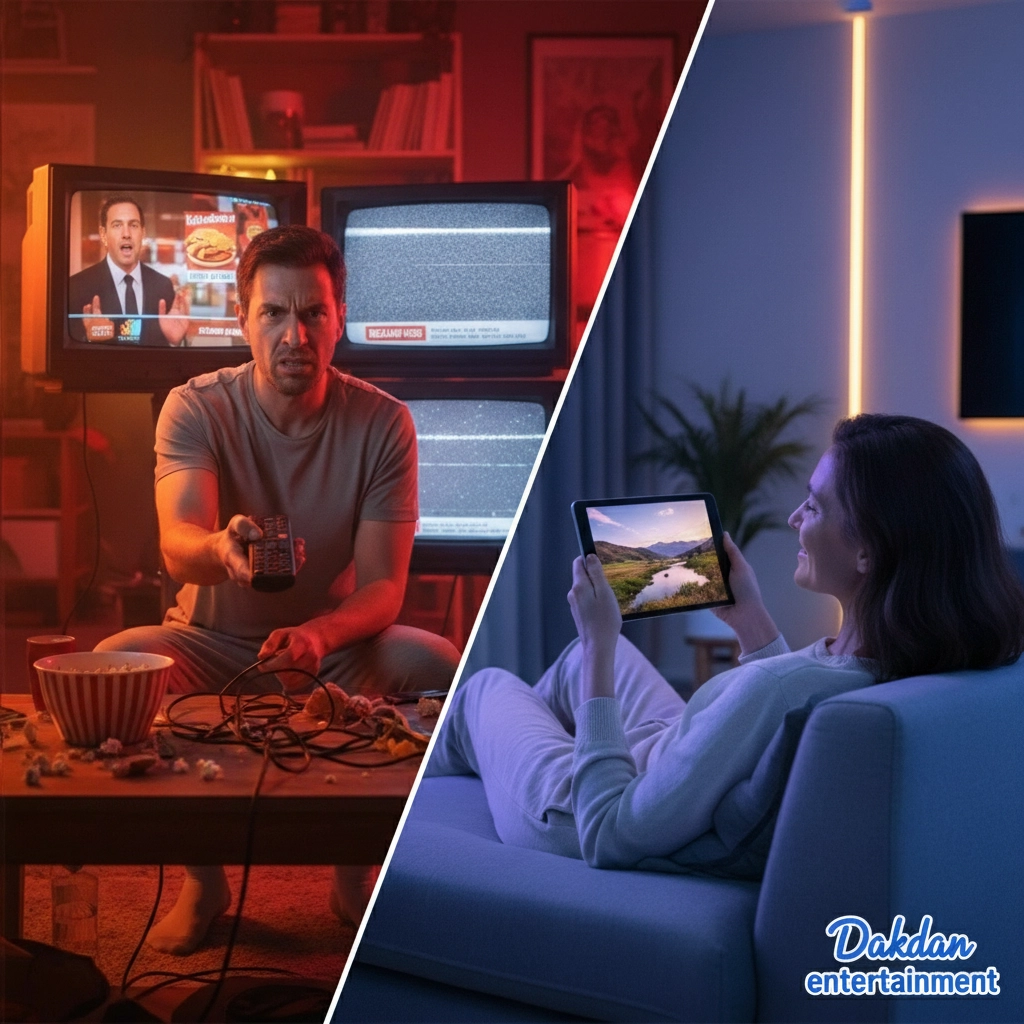
Brand-owned television flips this dynamic entirely. When a brand owns the content, the entertainment value and the brand message become inseparable. Viewers choose to watch because they find genuine value in the content itself, creating a positive association with the brand from the very first moment of engagement.
Why 2025 Is the Tipping Point
Several converging trends make 2025 the year when brand-owned television moves from experimental to essential. The production costs for high-quality video content have decreased dramatically, while distribution channels have multiplied and become more accessible.
Streaming platforms are hungry for content, and audiences are consuming more video content than ever before across multiple devices and platforms. The infrastructure exists to support brand-owned television at scale, and early adopters are already seeing remarkable results.
Consumer behavior has also shifted significantly. Audiences are more skeptical of traditional advertising but more willing to engage with brands that provide genuine entertainment value. They want authentic stories and meaningful connections, not sales pitches disguised as content.
The technology landscape supports this evolution perfectly. Advanced analytics provide detailed insights into viewer behavior, allowing brands to refine their content strategy based on real performance data rather than broad demographic assumptions.
The Content Ownership Advantage
When brands own their television content, they control every aspect of the viewer experience. This includes the narrative, the pacing, the production values, and most importantly, how the brand is integrated into the story.
Traditional product placement often feels forced and unnatural. Brand-owned television allows for organic integration where the brand becomes part of the story rather than an interruption to it. This creates deeper emotional connections and higher recall rates compared to traditional advertising methods.
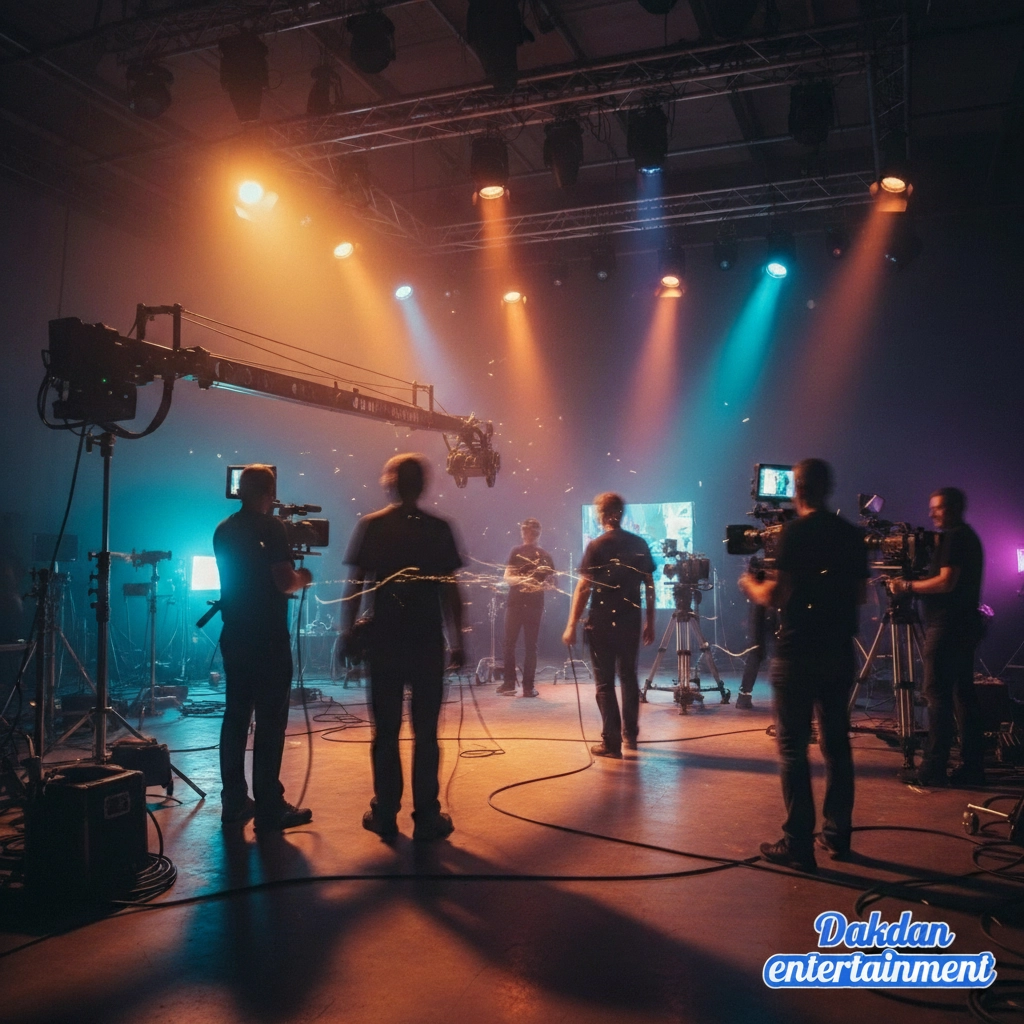
Content ownership also provides long-term value that traditional advertising cannot match. A television commercial has a limited lifespan and requires ongoing investment to maintain visibility. Brand-owned television content continues to attract viewers and provide value long after its initial production, creating a valuable asset rather than a recurring expense.
The data advantages are equally compelling. Brands gain direct access to viewer analytics, engagement metrics, and audience insights that would be impossible to obtain through traditional advertising channels. This information becomes invaluable for refining future content and understanding audience preferences.
Building Authentic Audience Relationships
Brand-owned television succeeds because it prioritizes entertainment value over direct sales messaging. The most successful examples focus on telling compelling stories that happen to feature the brand naturally within the narrative context.
This approach builds trust and loyalty in ways that traditional advertising simply cannot achieve. When audiences actively choose to watch brand-owned content and find genuine entertainment value, they develop positive associations that extend far beyond the viewing experience.
The relationship becomes reciprocal rather than transactional. The brand provides valuable entertainment, and the audience provides attention and engagement. This creates a sustainable foundation for long-term customer relationships rather than one-time purchase transactions.
Successful brand-owned television also tends to generate organic word-of-mouth marketing. When content is genuinely entertaining, viewers share it with others, expanding the brand's reach without additional advertising spend.
Production and Distribution Strategies
Creating effective brand-owned television requires a different mindset than traditional marketing content. The primary goal must be entertainment value, with brand integration serving as a secondary consideration. This often requires working with experienced entertainment professionals rather than traditional advertising agencies.
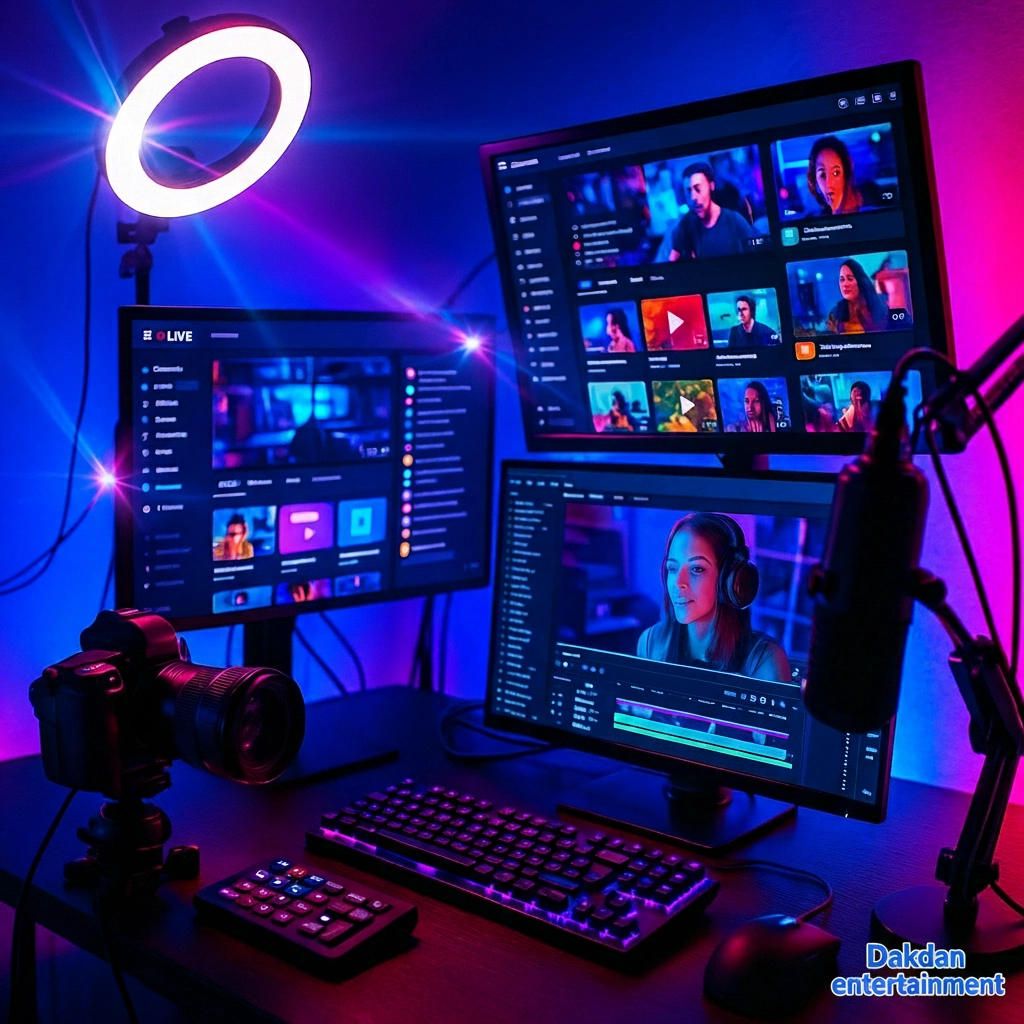
The production approach should prioritize storytelling fundamentals: compelling characters, engaging narratives, and high production values that meet audience expectations for professional television content. Audiences will not accept lower quality simply because the content is brand-owned.
Distribution strategy becomes equally important. Brand-owned television content needs to reach audiences through multiple channels, including owned media properties, streaming platforms, social media, and traditional broadcast opportunities when appropriate.
Cross-platform distribution ensures maximum reach while allowing brands to maintain control over the viewing experience. Each platform may require slight modifications to optimize for specific audience behaviors and technical requirements.
Measuring Success Beyond Traditional Metrics
Brand-owned television success cannot be measured using traditional advertising metrics alone. While reach and frequency remain important, engagement depth becomes equally valuable. Time watched, completion rates, and voluntary sharing indicate genuine audience interest rather than passive exposure.
Brand sentiment and awareness studies provide crucial insights into how brand-owned television content affects overall brand perception. These qualitative measures often show more significant positive changes than traditional advertising campaigns.
Long-term customer lifetime value metrics become particularly relevant for brand-owned television. The goal is building lasting relationships rather than generating immediate sales, so success should be measured accordingly.
Social media engagement and organic mentions provide additional indicators of content effectiveness. When audiences discuss brand-owned television content voluntarily, it demonstrates genuine engagement that extends beyond the initial viewing experience.
The Future of Brand-Owned Television
Brand-owned television represents just the beginning of a broader shift toward brand-owned media. As production costs continue to decrease and distribution options expand, brands will have unprecedented opportunities to create meaningful connections with their audiences.

The most successful brands in 2025 and beyond will be those that embrace their role as entertainment companies rather than simply product manufacturers or service providers. This requires significant organizational changes and new skill sets, but the potential rewards justify the investment.
Interactive and personalized content will become increasingly important as technology advances. Brand-owned television will evolve to include viewer participation, customization options, and real-time engagement opportunities that traditional media cannot provide.
The integration between brand-owned television and other marketing channels will become more sophisticated. Content will be designed to work seamlessly across multiple touchpoints, creating cohesive brand experiences that guide audiences through entire customer journeys.
Getting Started with Brand-Owned Television
Brands interested in exploring brand-owned television should begin with clear content strategy development. This involves identifying target audiences, understanding their entertainment preferences, and developing content concepts that provide genuine value while naturally incorporating brand elements.
Partnership with experienced content creators becomes essential for success. Dakdan entertainment specializes in helping brands navigate this transition from traditional advertising to content ownership, providing the expertise necessary to create compelling television content that achieves marketing objectives.
Starting with smaller-scale projects allows brands to test concepts, refine approaches, and build internal capabilities before committing to larger productions. This reduces risk while providing valuable learning opportunities that inform future content strategies.
The brands that embrace brand-owned television in 2025 will establish significant competitive advantages that become increasingly difficult for competitors to match. The time to begin exploring this opportunity is now, before it becomes a standard expectation rather than a differentiating factor.
Sorry, the comment form is closed at this time.