
15 Sep Are Traditional Ads Dead? Here's Why Smart Brands Are Buying TV Shows Instead
The marketing landscape has shifted dramatically over the past decade, leading many to question whether traditional advertising still holds value in today's digital-first world. However, the reality is far more nuanced than the simple narrative of traditional advertising's death. Rather than disappearing entirely, traditional advertising is undergoing a fundamental transformation, while forward-thinking brands are exploring innovative approaches to reach their audiences through content ownership and production.
The Current State of Traditional Advertising
Traditional advertising is not dead: it is evolving to meet changing consumer behaviors and technological capabilities. Digital ad spending is projected to reach $700 billion in 2025, with video advertisements outperforming other formats by 120 percent. Social media advertisements now account for nearly 40 percent of total digital advertising spend, while mobile advertising represents 70 percent of total digital ad revenue.
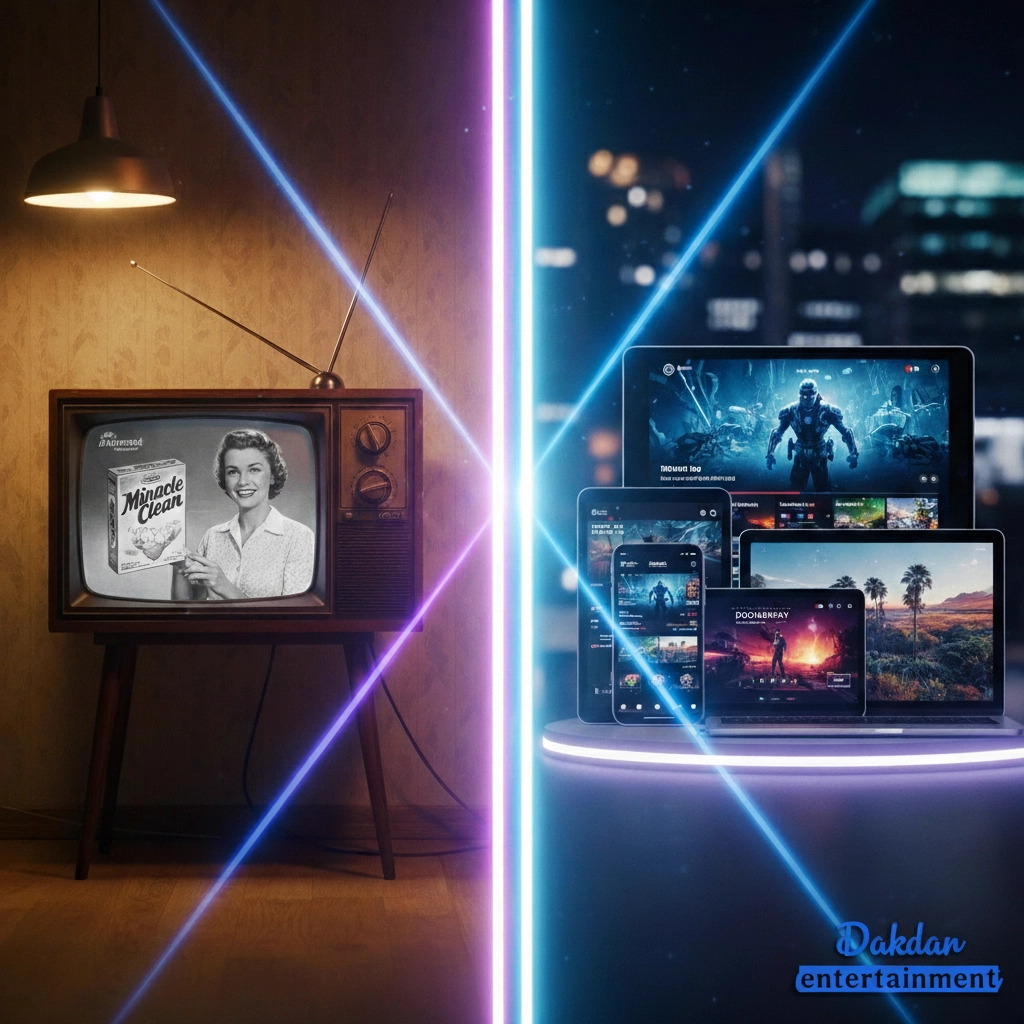
Despite these impressive digital growth figures, traditional channels continue to maintain relevance through adaptation and integration with digital strategies. Television advertising has transformed significantly, with streaming services like Netflix, Hulu, and Disney+ introducing advertisement-supported tiers. This development demonstrates that even digital-native audiences remain receptive to television advertising when presented in formats that respect their viewing preferences.
The key insight is that successful brands no longer view traditional and digital advertising as competing forces. Instead, they recognize these channels as complementary elements within comprehensive marketing ecosystems. Modern television campaigns begin on traditional broadcasts and extend conversations through social media, websites, and interactive digital experiences.
How Traditional Channels Are Adapting
Television advertising has undergone perhaps the most visible transformation among traditional media channels. Modern television campaigns integrate seamlessly with digital strategies to extend reach and campaign lifespan. Advertisers can now target specific demographics through smart television platforms while simultaneously driving viewers to online interactions and social media engagement.
Radio has expanded its reach through podcast sponsorships and in-stream advertisements on platforms like Spotify. Research indicates that podcast listeners are 60 percent more likely to make purchases after hearing advertisements, demonstrating the continued effectiveness of audio advertising when delivered through relevant content channels.

Print media has become more exclusive and targeted, maintaining consumer trust despite increased online consumption patterns. Publishers focus on creating premium content experiences that command attention and respect from readers who actively choose to engage with print materials.
Out-of-home advertising has experienced dramatic technological advancement through digital billboards that enable real-time messaging updates, social media integration, and hyper-local geotargeting capabilities. These innovations allow brands to create dynamic, responsive campaigns that adapt to current events, weather conditions, and local demographics.
The Rise of Brand-Owned Content
The most significant shift in modern marketing involves brands transitioning from purchasing advertising space to creating and owning content directly. This approach allows companies to control their messaging environment completely while building authentic relationships with their target audiences.
Brand-owned television shows, podcasts, and digital content series provide several advantages over traditional advertising purchases. Companies can develop long-form storytelling opportunities that showcase their values, expertise, and personality in ways that brief advertisements cannot achieve. This content becomes a valuable asset that continues generating engagement and brand awareness long after its initial release.

Entertainment content allows brands to reach audiences when they are most receptive and engaged. Rather than interrupting existing content with advertisements, brands become the content providers themselves, creating positive associations between their companies and the entertainment value they deliver.
The podcast industry exemplifies this trend particularly well. Companies across industries have launched branded podcasts that educate, entertain, and inform their target audiences while subtly reinforcing brand messages through consistent exposure and valuable content delivery.
Why Content Ownership Makes Strategic Sense
Media consumption across both digital and traditional channels increased 2.4 percent globally in recent years, though growth is expected to decline slightly in 2025: representing the first decrease since 2009. This plateau suggests that media consumption has reached saturation levels, particularly in developed markets with easy digital access.
In this saturated environment, brands must work harder to capture and maintain audience attention. Content ownership provides several strategic advantages that traditional advertising cannot match. Owned content allows companies to build direct relationships with their audiences without intermediary platforms controlling access or algorithm changes affecting reach.
Brand-owned content also provides complete creative control over messaging and presentation. Companies can ensure their values and positioning remain consistent across all touchpoints while developing deeper, more meaningful connections with their target demographics.

The financial benefits of content ownership become apparent over time. While producing original content requires initial investment, successful shows and podcasts continue generating value through audience growth, merchandise opportunities, and licensing potential. Traditional advertising purchases provide temporary visibility that ends when campaigns conclude.
Integration Rather Than Replacement
The most successful modern marketing strategies integrate traditional advertising, digital campaigns, and owned content into cohesive experiences that meet consumers across multiple touchpoints. Rather than choosing between traditional and digital approaches, smart brands create 360-degree marketing ecosystems that reinforce key messages through various channels and formats.
This integrated approach recognizes that consumers interact with brands through multiple channels throughout their decision-making processes. A potential customer might discover a company through social media, research their offerings through search engines, hear about them again through podcast advertisements, and ultimately make purchasing decisions after seeing traditional television commercials.
Owned content serves as the foundation for these integrated campaigns, providing authentic brand experiences that support and enhance paid advertising efforts across all channels. The content creates emotional connections and demonstrates value, while traditional and digital advertisements drive awareness and direct response behaviors.
The Future of Brand Marketing
The evolution toward content ownership represents sophistication rather than abandonment of traditional advertising channels. Successful companies recognize that modern consumers expect valuable, relevant content experiences rather than interruptive advertising messages.

This shift requires brands to think like media companies, developing content strategies that consistently deliver value to their target audiences while achieving business objectives. The most effective approach combines entertainment, education, and subtle brand messaging within high-quality production values that respect audience intelligence and time.
Companies that master this balance will develop sustainable competitive advantages through direct audience relationships and valuable content assets. Traditional advertising will continue playing important supporting roles within these comprehensive strategies, but owned content provides the foundation for long-term brand building and customer loyalty development.
The question is not whether traditional advertising is dead, but rather how brands can most effectively combine traditional channels, digital platforms, and owned content to create meaningful connections with their audiences in an increasingly complex media landscape.
Ready to explore content ownership for your brand? Contact us to discuss how podcast production and branded content can transform your marketing strategy.
Share this article:
Sorry, the comment form is closed at this time.