

30 May Most people think brand entertainment is just sponsored ads…until they see how brands OWN their own TV shows.
The entertainment industry stands at a crossroads. Traditional advertising models are crumbling while brands discover something remarkable: they can create their own shows instead of simply paying to appear in someone else's content. This shift represents more than a marketing evolution: it signals a complete restructuring of how entertainment gets funded and produced.
The Death of Passive Product Placement
For decades, brand entertainment operated on a simple premise. Companies would pay to have their products featured in existing television shows and movies. Coca-Cola bottles appeared on tables. Characters drove specific car brands. Fashion labels dressed the stars. These placements generated impressive results: Eggo waffle sales increased 14% after Stranger Things featured them prominently, while Manolo Blahnik became a household name through Sex and the City.
Yet this model required brands to wait. They waited for the right show, the right character, the right moment. They surrendered creative control to producers who might feature their product for thirty seconds across an entire season. Brands remained passengers in someone else's creative journey.
The streaming revolution changed everything. When audiences began skipping commercials and ad-blockers became standard, traditional advertising lost its effectiveness. Simultaneously, production costs soared while networks reduced their content budgets. A financing gap emerged, creating an opportunity for brands to step forward as primary content creators rather than secondary sponsors.
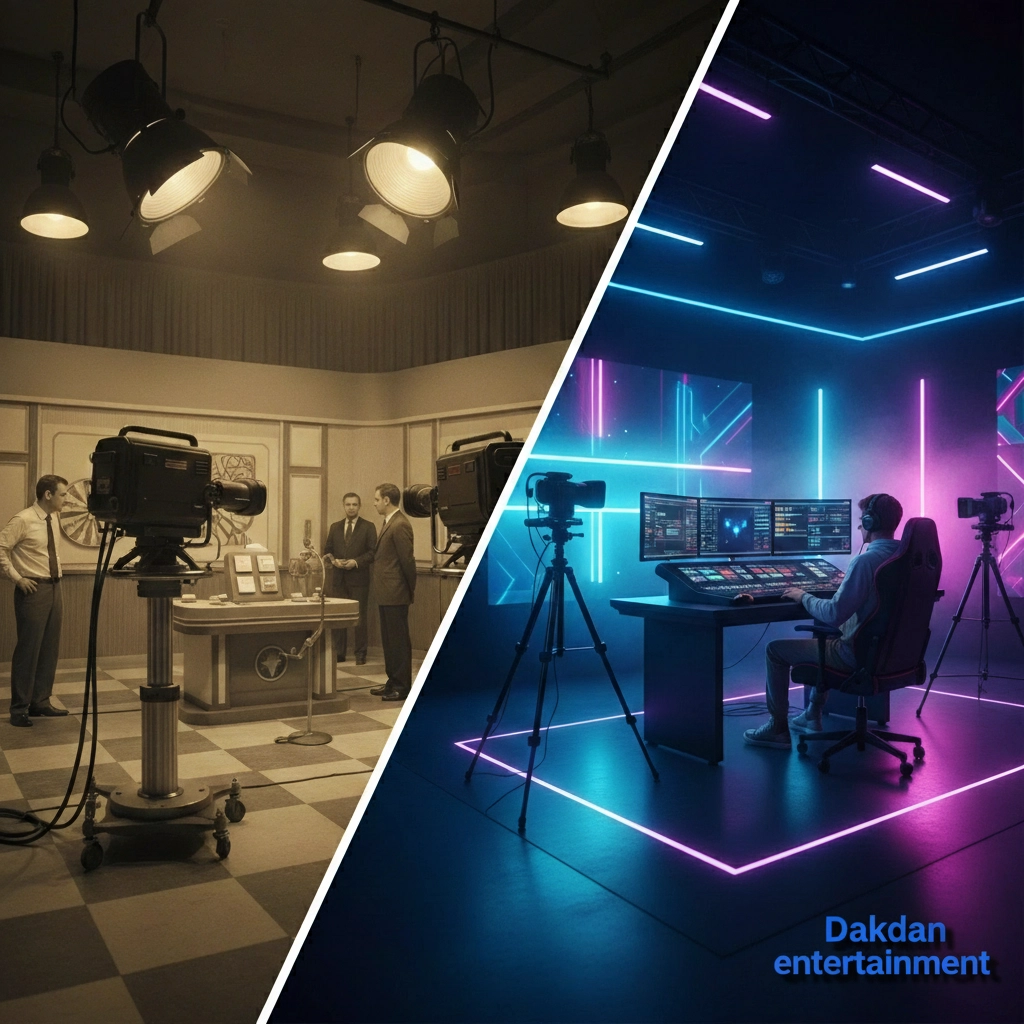
The New Model: Brands as Entertainment Studios
Today's innovative brands function as entertainment studios. Rather than purchasing placement within existing content, they fund original series from conception to distribution. This approach grants complete creative control while ensuring their brand message integrates naturally into compelling storytelling.
Consider how Dakdan Entertainment approaches this model with shows like American Arm Rustler, a series that transforms competitive arm wrestling into appointment television. Instead of sponsoring existing sports programming, the company created original content that showcases the athleticism and drama inherent in this underrepresented sport. The brand becomes synonymous with the sport itself rather than simply advertising within it.
Similarly, Girls With Tattoos demonstrates how brands can celebrate specific communities through original programming. Rather than purchasing advertisements during existing tattoo-themed shows, Dakdan created content specifically designed to highlight the artistry and stories within tattoo culture. This approach builds authentic connections with viewers who share these interests.
Why Brands Choose Content Creation Over Advertising
The financial mathematics support this strategic shift. Branded content generates 22 times more engagement than traditional advertisements according to industry research. When audiences actively seek out branded entertainment because it offers genuine entertainment value, the return on investment far exceeds conventional advertising approaches.
Production timelines also favor brand-funded content. Traditional television development can take years from pitch to broadcast, with no guarantee of success. Brands can greenlight projects immediately when they control the funding, allowing for faster market response and more agile content strategies.
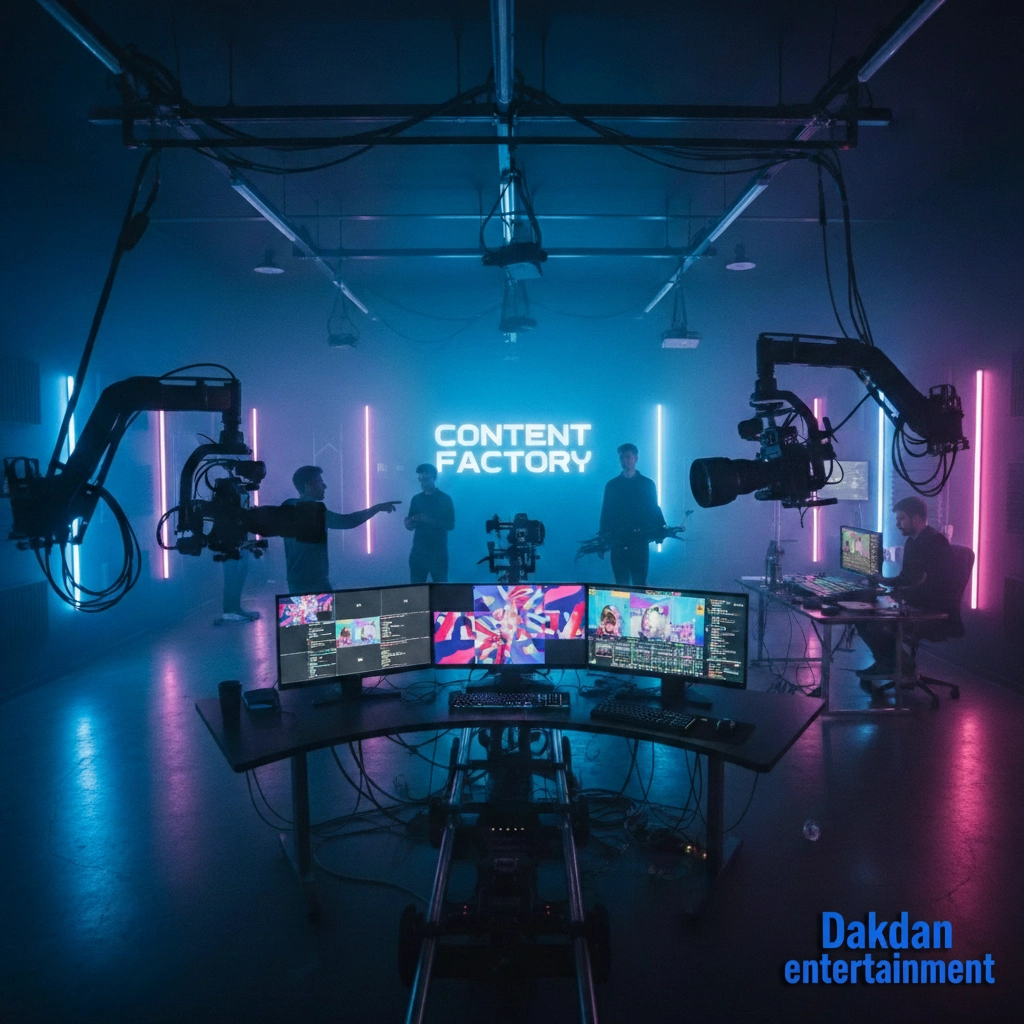
A top television industry executive recently explained the new reality: "We are spending significant time determining how to make brand funding commonplace, because the industry is clearly moving in this direction." For producers struggling with reduced network budgets, brand money has become "an answer to our prayers," enabling projects that might otherwise never receive funding.
Integration Through Storytelling
Modern brand entertainment succeeds through authentic integration rather than forced product placement. When Subway funded the struggling comedy "Community," the network didn't simply place sandwiches in random scenes. Instead, they integrated the brand organically by adding a Subway location to the fictional campus and creating storylines around it. This approach granted writers creative freedom while ensuring natural brand presence.
Golf Course Rehab exemplifies this integration approach within Dakdan's portfolio. Rather than advertising golf equipment or courses through traditional methods, the show creates compelling narratives around course restoration and improvement. Viewers become invested in the transformation process while naturally associating the brand with golf course excellence and innovation.
The key difference lies in audience experience. Traditional advertising interrupts entertainment. Brand-owned content becomes the entertainment itself.
Celebrity Partnerships and Production Values
High-profile talent increasingly participates in brand-funded productions. A-list celebrities including Scarlett Johansson, Mark Wahlberg, and John Legend now partner with brands to produce original series rather than traditional network television. These collaborations elevate production values while leveraging star power to attract audiences.
Reese Witherspoon's Hello Sunshine production company recently collaborated with banking and streaming partners to create shows funded entirely through brand partnerships. This model essentially rewrites traditional television financing by eliminating network gatekeepers and allowing brands direct access to premium content creation.

The Streaming Service Advantage
Streaming platforms enable more sophisticated brand entertainment strategies than traditional broadcast television. Without commercial breaks, brands must integrate their messaging directly into content rather than relying on separate advertisements. This constraint actually benefits brand storytelling by forcing more creative and organic integration approaches.
Social media platforms provide additional opportunities for brand-owned content. Series like "Alwayz Bratz" and "Roomies" demonstrate how brands can create original programming specifically designed for digital-native audiences. These productions often feature shorter episodes, more interactive elements, and direct audience engagement opportunities.
Measuring Success Beyond Traditional Metrics
Brand-owned entertainment requires different success metrics than traditional advertising. While conventional ads focus on reach and frequency, branded content emphasizes engagement duration, sharing rates, and audience retention. Viewers who watch complete episodes demonstrate deeper brand connection than those who see thirty-second commercials.
The entertainment industry has begun recognizing branded content's legitimacy through awards and industry recognition. Productions funded by brands now compete alongside traditional television series for major industry honors, indicating the creative quality achievable through this model.
Implementation Strategies for Brand Entertainment
Successful brand entertainment requires several key components. First, brands must identify authentic connections between their values and potential entertainment content. Forced associations between brands and unrelated entertainment typically fail to resonate with audiences.
Second, production quality must match or exceed traditional television standards. Audiences will not accept inferior content simply because a brand funded it. Investment in professional writers, directors, and production teams becomes essential for success.
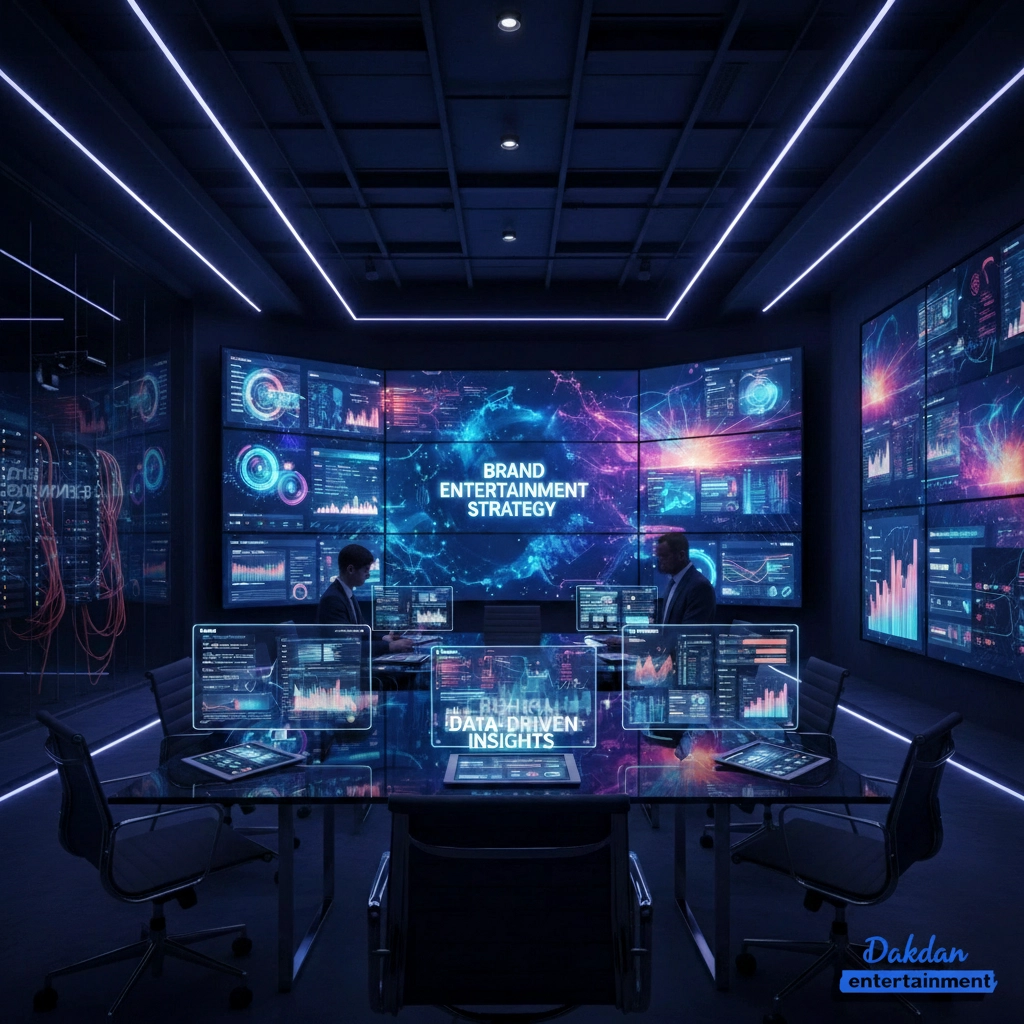
Third, distribution strategy determines audience reach. Brands must decide whether to partner with existing streaming services, create proprietary platforms, or utilize social media channels for content distribution. Each approach offers different audience access and creative control levels.
The Future of Brand-Owned Entertainment
Industry trends suggest brand-owned entertainment will continue expanding. As traditional advertising effectiveness continues declining and content production costs remain high, brands possess both motivation and opportunity to become primary content creators.
Emerging technologies like virtual reality and interactive streaming will create additional opportunities for brand entertainment innovation. These platforms enable more immersive brand experiences while maintaining entertainment value for audiences.
The most successful brands in this environment will be those that understand entertainment as their primary product rather than marketing as their primary goal. When brands create genuinely entertaining content that audiences actively seek out, traditional advertising becomes unnecessary.
This transformation represents more than a marketing trend: it signals a fundamental restructuring of the entertainment industry itself. Brands are no longer purchasing space within entertainment; they are becoming entertainment companies. The most successful examples, like Dakdan Entertainment's diverse programming portfolio, demonstrate how this approach creates sustainable competitive advantages while delivering authentic value to audiences.
As the industry continues evolving, the distinction between brand and entertainment company will likely disappear entirely. The future belongs to organizations that can create compelling content while building lasting audience relationships through authentic storytelling rather than traditional advertising approaches.
Sorry, the comment form is closed at this time.